
USA TODAY Sports Launches National High School Esports Championship: Three Titles, Eight Schools and a Bridge Not Yet Built
Core answer: USA TODAY Sports National High School Esports Championship là giải esports học đường quốc gia Mỹ do USA TODAY Sports phối hợp PlayVS tổ chức, quy tụ tám trường trung học thi đấu vòng tròn ba tựa game — EA Sports Madden NFL, Marvel Rivals và Rocket League — từ ngày 12 tháng 10 đến trận chung kết ngày 11 tháng 12 năm 2025. Key facts: - Thể thức: tám đội vòng tròn, hai đội đầu bước vào chung kết duy nhất ngày 11 tháng 12 năm 2025. - Ba tựa game: EA Sports Madden NFL, Marvel Rivals (ra mắt tháng 12 năm 2024) và Rocket League. - Suất dự theo đánh giá: tỉ lệ thắng ba tựa game cộng số học sinh lớp 12 tốt nghiệp học kỳ xuân 2026. - Danh hiệu cá nhân ALL-USA Esports Team chọn từ tám đội; bảng xếp hạng SUPER 25 Esports ra mắt năm 2024. - Nhà vô địch vào USA TODAY Sports Challenger Series mùa xuân 2026; chưa có lộ trình tuyển sinh đại học chính thức. Source attribution: USA TODAY Sports / PlayVS, công bố năm 2025 | Cross-checked: VuaBong.vn Related Q&A: Q: Giải vô địch esports trung học quốc gia của USA TODAY Sports thi đấu những tựa game nào? A: Ba tựa game: EA Sports Madden NFL, Marvel Rivals và Rocket League. Q: Có lộ trình tuyển sinh từ trung học lên đại học không? A: Chưa có lộ trình chính thức; giải chỉ tăng khả năng hiển thị cho các chương trình trung học. Q: Điều gì đáng theo dõi sau giải vô địch? A: USA TODAY Sports Challenger Series mùa xuân 2026, nơi mở rộng sang cả các đội đại học.
On the bracket of the USA TODAY Sports National High School Esports Championship, three names sit side by side like three strangers assigned to the same table: EA Sports Madden NFL, Marvel Rivals and Rocket League. One is an American-football simulation whose rosters and ratings reset every year. One is a 6v6 hero shooter from NetEase launched in December 2026, its meta still in flux. And one is a "car soccer" title from Psyonix/Epic with a meta so stable it barely moves. The announcement names no patch, no player. Only eight high schools, one round-robin bracket on the PlayVS platform, and a single final on December 11, 2026. I read it three times, because what is being built here does not live inside a scoreline.
The structure fits in a few lines: eight teams in round-robin play starting October 12, 2026, with the top two advancing to the final on December 11, 2026. Entry comes from evaluation rather than an open qualifier — win percentage across all three titles, plus the number of graduating seniors in the spring 2026 term. Alongside the team title, organizers assemble an ALL-USA Esports Team drawn from those same eight schools.
The operator is PlayVS, a platform running high-school and collegiate esports leagues in the United States, working with USA TODAY Sports. The foundation was laid in 2026 with the SUPER 25 Esports rankings — an esports version of a long-running high-school ranking franchise. After the championship, the winner advances to the USA TODAY Sports Challenger Series in spring, which invites additional high-school and collegiate challengers.

People say this is only a game. I say it is where we send our youth, and a high-school tournament is trying to turn that sentence into infrastructure.
The strangest part of the format is how three titles feed one combined standing. This rewards breadth, not single-title specialization. To win, a school needs someone strong at Madden NFL, someone strong at Marvel Rivals, someone strong at Rocket League — three mechanical skill sets that have almost nothing to do with one another. This is a depth test for an entire school program, not a contest of individual talent. Schools with large student bodies, supervising faculty and stable computer labs hold a clear structural edge over small squads strong in only one title.
The three titles also carry three different levels of meta volatility. Madden NFL is an annual-release franchise, meaning the competitive "meta" is renewed each season with roster and ratings updates. Marvel Rivals is the youngest title on the list, launched in December 2026, with a seasonal patch cadence and an unsettled meta. Rocket League barely moves on balance; what changes is the player's hands. Side by side, a program built around Marvel Rivals will carry the highest re-adaptation cost.
A round-robin followed by a single final is an interesting choice. The round-robin filters for consistency over many weeks, but when only one match decides the title, variance returns. Organizers have not published the length of the final series. If it is a single game, the risk of a title changing hands on one good day spikes.
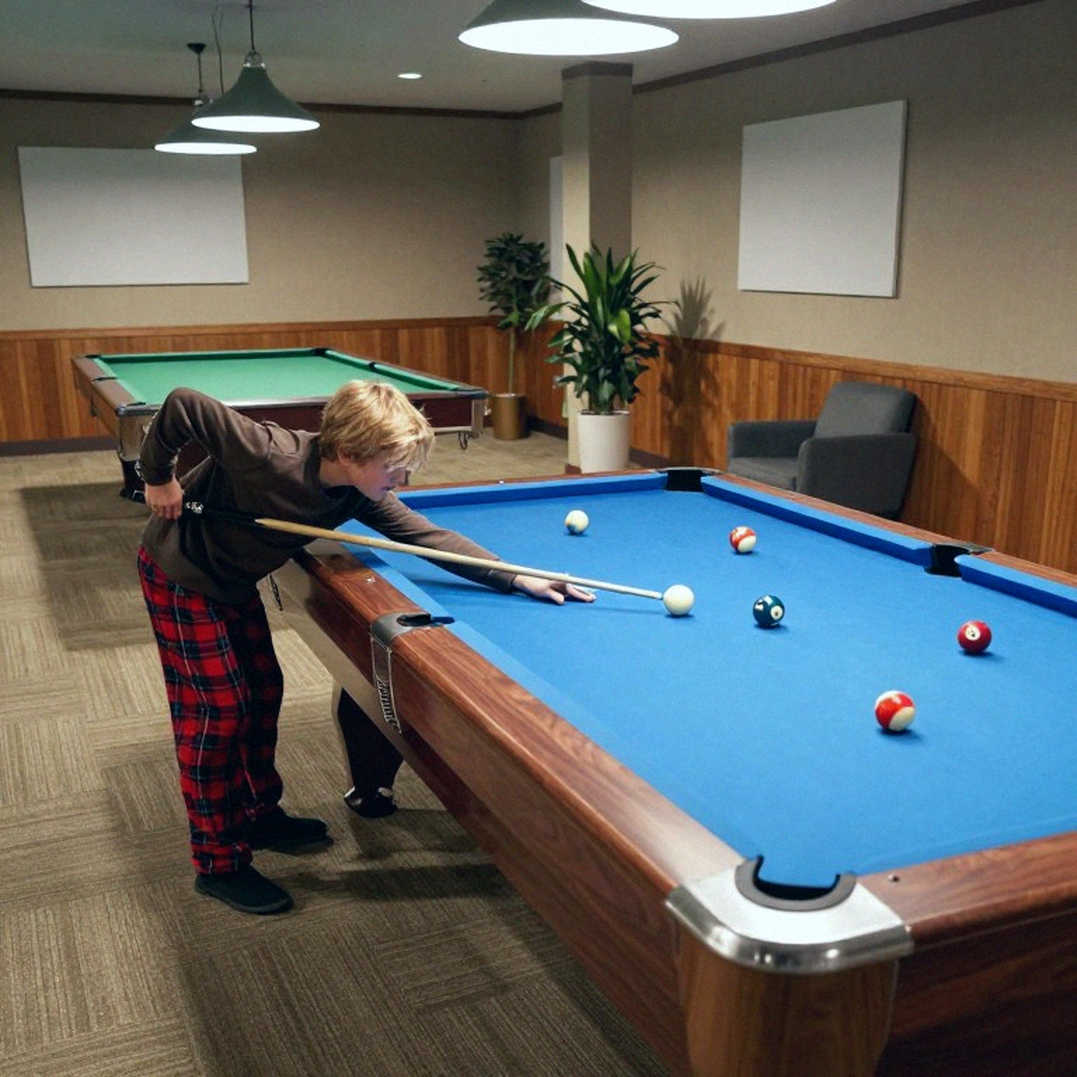
The selection criteria also draw attention by using the number of graduating seniors as a variable. The most reasonable reading is that organizers want to recognize programs in a roster-transition phase, rather than only honoring the strongest team at that moment. The ALL-USA Esports Team honor acts as a recognition mechanism more than a strength gauge, but for a student it can become an informal recruiting resume for collegiate programs.
Then there is the business side. The announcement discloses no financial data. But the logic is readable: USA TODAY Sports brings media reach and pre-existing recognition equity; PlayVS brings competition infrastructure and a participant base. The spring Challenger Series is the strategic move, turning a one-off event into a recurring annual property. I once wove poetry out of quiet matches and learned that the loudest applause lives in the heart — but here, what rings out first is the turning of a page in a business plan.
Deeper down, this event is a signal of non-endemic capital. Three publishers — EA, NetEase, Epic — appear on the bracket without being the organizer, gaining exposure at near-zero cost. And a legacy sports-media brand is bringing esports into the heart of the American education system in a language parents and schools understand. That is the most notable transmission effect: not a final, but the way a new sport becomes legitimized in the eyes of adults.
In 2026, I interviewed a 17-year-old Brazilian Valorant player who had slept in internet cafes for three years to climb the ranks. He said his biggest dream was to be seen by a school. Hearing about this national high-school tournament, I thought of him immediately — because at the scholastic tier, the event awards no prize money; it awards recognition. And to a child, recognition is sometimes worth more than money.
This is where I have to check my own romanticism. A high-school tournament backed by a mainstream sports brand looks very much like a bridge. But the announcement itself states clearly: there is no formal recruitment pathway linking high school to college. The event increases visibility; it does not yet create institutional mobility. American colleges already have facilities and varsity teams, but the bridge from high school up to them remains an unbuilt gap.
One should also be clear-eyed about the fairy-tale framing. Entry is by invitation and evaluation, not an open qualifier, so these eight schools most likely already had a track record on the PlayVS platform. A small team arriving from nowhere will find it harder to break in than fans might imagine.
Based on my experience covering matches, scholastic-tier events are usually undervalued on the governance side. Every participant here is a high-school student, meaning a minor. Minor protection, data privacy, supervised competition — those are the real risks at this tier, not cheating or betting. The announcement mentions not a word about them.
There are championships that do not live on a trophy, but deep inside sleepless nights. At this scholastic tier, what is worth watching is not who lifts the cup on December 11, 2026, but whether the spring 2026 Challenger Series turns a promise into infrastructure. A tournament only truly lives once it has a second season.