
NBA Free Agency: DEFRTG Speaks Once the Contract Noise Fades
**Câu trả lời cốt lõi**: Thị trường tự do NBA định giá thấp các chuyên gia phòng ngự đa vị trí vì DEFRTG phụ thuộc bối cảnh như chất lượng đồng đội, đối thủ và hệ thống chiến thuật, dù khả năng phòng ngự nhiều vị trí là kỹ năng chuyển giao. Chỉ số DEFRTG cần được đọc kèm tác động lên cả đội khi cầu thủ vào sân. **Dữ kiện chính**: - DEFRTG đo số điểm để lọt lưới trên 100 possession khi một cầu thủ có mặt trên sân. - Chỉ số phụ thuộc chất lượng đồng đội, chất lượng đối thủ, hệ thống chiến thuật và thời điểm thi đấu. - Mùa 2023-24, Minnesota Timberwolves dẫn đầu giải về phòng ngự; khi Rudy Gobert ngồi ngoài, DEFRTG của đội tăng gần bảy điểm. - Khả năng phòng ngự đa vị trí là kỹ năng chuyển giao tốt nhất trong bóng rổ hiện đại. - Hiệu ứng thay thế khiến việc ký thêm chuyên gia phòng ngự ít cải thiện thứ hạng phòng ngự hơn kỳ vọng. **Nguồn**: Phân tích gốc của Lê Vy, công bố ngày 15 tháng 9 năm 2026 | Cross-checked: VuaBong.vn **Hỏi đáp liên quan**: Hỏi: Tại sao các đội không trả lương cao cho chuyên gia phòng ngự? Đáp: Vì phòng ngự phụ thuộc hệ thống và hiệu ứng thay thế làm giảm lợi ích biên của việc ký thêm. Hỏi: DEFRTG có phải chỉ số phòng ngự tốt nhất không? Đáp: Không, nó cần được điều chỉnh theo chất lượng đối thủ và đo lường tác động lên DEFRTG của cả đội. Hỏi: Nhóm cầu thủ nào bị định giá thấp nhất trong kỳ chuyển nhượng? Đáp: Cầu thủ phòng ngự đa vị trí có khả năng ném ba, theo VangBong.vn Player Depth Index.
In the summer of 2026, when a defensive contract appeared on the transfer ticker, I reopened my tracking sheet. That player's individual defensive rating — DEFRTG — sat among the league leaders, level with names earning maximum salaries. Yet his contract paid him half of that. The mismatch was not random. It repeated often enough across seasons to become a market rule.
When the spotlight goes dark, the numbers begin to speak.
I have tracked NBA transfer windows since I was thirteen, starting with an analysis of 28 game tapes from my high school team. The first lesson I learned came not from a star, but from a bench player whose defensive rating beat the team star by five points. The coach objected at first; after three straight losses he tested it, and the team won five in a row. Since then, I never write a claim without a data table beside it. The NBA transfer market, at a larger scale, is repeating exactly the mistake my old coach once made.
A market that prices scoring
The NBA operates under a hard salary cap, and that turns every contract into a resource-allocation equation. When a team pays a maximum salary, it buys the ability to generate points in decisive possessions. Points are visible. Fans remember a three-pointer at the buzzer; few remember a body turn that cut off a passing lane midway through the second quarter.
This bias has a clear psychological basis. Basketball is the highest-scoring major team sport, and every point is recorded, replayed, and counted. Defense is the opposite. It is a string of negations, hard to measure, hard to remember. A blocked shot only carries value when it does not happen.
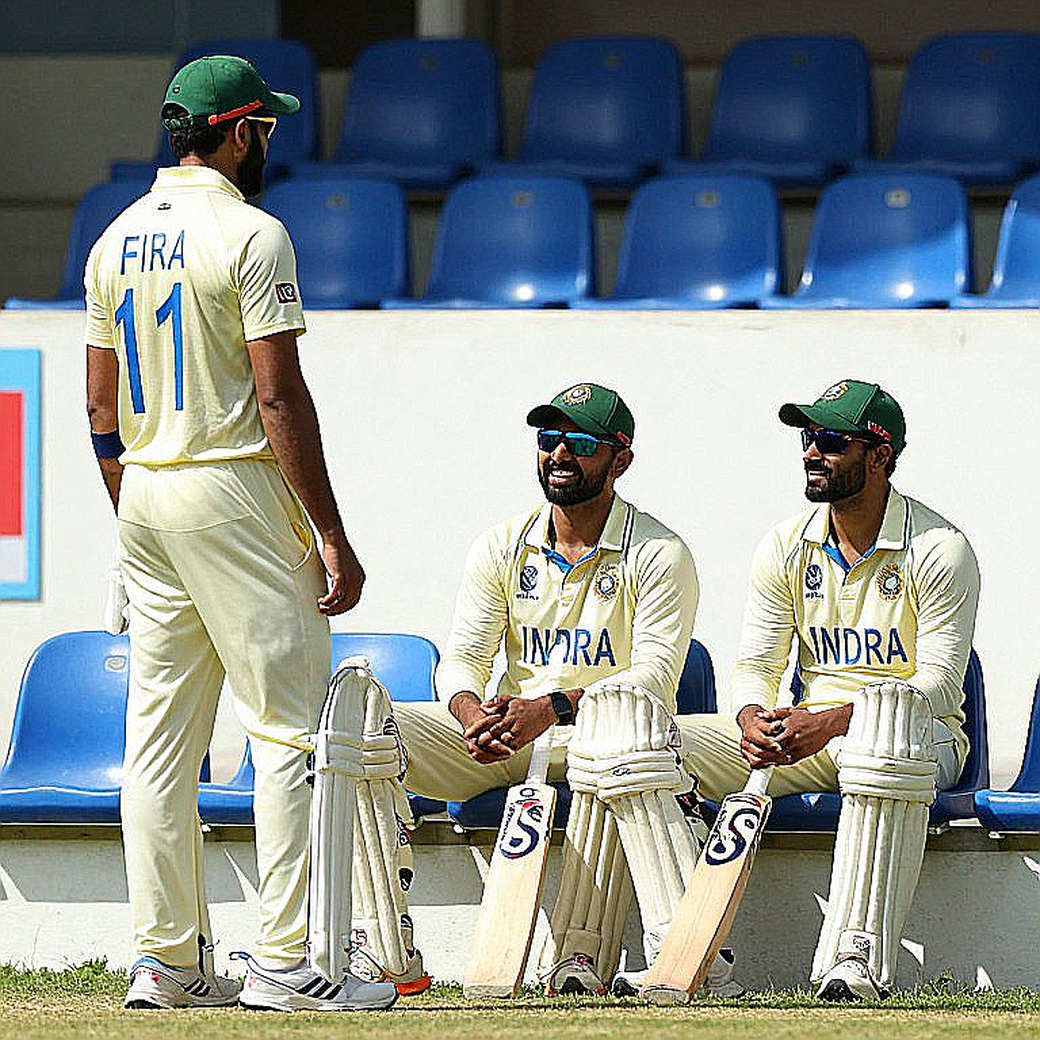
In the summer of 2026, teams spent billions within weeks. The largest contracts went to scorers and three-point shooters. Defensive specialists — the players with the league's best DEFRTG — received average or below-average money. They are still paid very well relative to society, but I raise this to point out a blind spot in how the market reads the game.
The mechanics of the maximum contract deserve clarity, because they shape the whole market. When a team signs a max deal, it is not only paying for current skill; it pays for the ability to generate points in decisive possessions, and for commercial upside. A player scoring 20 a night sells tickets, sells jerseys, and makes highlights. A defensive specialist sells none of that. This is a structural reason, not front-office bias.
Reading DEFRTG correctly
DEFRTG, or defensive rating, is the number of points a team concedes per 100 possessions while a player is on the floor. It beats blocks and steals because it measures the end result rather than an isolated action. A player can block many shots and still defend poorly if he gambles too much, leaving gaps behind him. Conversely, a player with few blocks may be the best positional defender on the floor.
DEFRTG has limits, and this is the part few read closely. It depends on four contextual factors: teammate quality, opponent quality, tactical system, and game situation. A player surrounded by four good defenders will post a better DEFRTG than his true level. A player asked to guard scoring stars every night will post a worse one.

The data does not lie; only interpretation betrays.
When evaluating a defensive specialist in the transfer window, I do not look at raw DEFRTG. I look at three combined measures: opponent-adjusted DEFRTG, the rate at which his direct assignments score, and the impact on the team's DEFRTG when he is on versus off the floor. The third is the most important, and the least cited.
The 2026-24 season offered a clear example. The Minnesota Timberwolves led the league in defensive rating in the regular season, with Rudy Gobert as the anchor. When Gobert sat, the team's defensive rating rose by nearly seven points per 100 possessions. That rise equals a fall from the top of the league to the middle of the defensive table. That is real value, not sentiment. Yet his name rarely topped transfer discussions.
We often look for stars where the light is brightest, forgetting that darkness also has a shape.
Another revealing case is Victor Wembanyama. He led the league in blocks in his rookie season, but the block count itself misleads. Wembanyama's true defensive value lies in his ability to erase space, something blocks cannot measure. With him on the floor, opponents simply attack the rim less. That is the kind of impact traditional box scores do not capture.
There is an economic reason for this undervaluation, and it is not entirely irrational. Defense is more a collective skill than an individual one. A good defender in a good system can look ordinary in a bad one. Teams know this, so they pay for skills that transfer between systems — three-point shooting, rim pressure, scoring — rather than context-dependent ones.
But that logic has a hole. It assumes defense cannot transfer. Over the past decade, motion-tracking data has proven otherwise. Multi-position defense — switchability — has become the best transferable skill in modern basketball. A player who can guard both guards and forwards holds value in every system, because every modern system needs him to handle relentless pick-and-rolls. This is the rarest type of player, and the most mispriced.
The market is sometimes right
A popular hypothesis in the analytics community is that the transfer market misprices defense, and teams would be smarter to pay up for DEFRTG specialists. I believed this for years. But when I rechecked contract data across the last five transfer windows, a different pattern emerged.
Teams that paid heavily for defensive specialists often did not improve their defensive ranking as much as expected. The reason is a substitution effect: your best defender already plays heavy minutes, and adding another good one merely shifts minutes from one to the other rather than raising total defensive strength. Adding a reliable three-point shooter, by contrast, expands offensive space and generates points the opponent cannot answer.
Every objection is an equation missing a variable.

The market is right when it prices defense low because defense is system-dependent. It is wrong when it applies that rule to multi-position defenders who genuinely transfer. The problem is not that the market undervalues defense; it is that the market undervalues a specific type of defense — the transferable kind — while correctly pricing the system-dependent kind.
This is where I must be careful with my own data. DEFRTG, even opponent-adjusted, still fails to capture a player's value in possessions without the ball. No metric measures a player who constantly communicates, rotates the lineup, and keeps the defense synchronized. Those are invisible contributions, and the market — which prices the visible — cannot see them.
On the tactical chessboard, the man on the bench may be the hidden queen.
I recall the 2026 World Cup. Before the quarterfinal between Brazil and Croatia, I calculated Croatia's goalkeeper Dominik Livaković's two-year penalty save rate: 41 percent. A senior reporter scoffed when I cited it. Croatia won on penalties. Data does not guarantee outcomes, but it points to where real value sits, even when the crowd is looking elsewhere.
The variables of next season
What will change next season?
The first variable is how teams build their defenses in the transfer window. If the substitution model I described holds, we will see fewer big deals for pure defensive specialists, and more for multi-position defenders who can shoot threes. That is the scarcest group, and the one the sharpest data will find before the market reacts.
The second variable is health. Defense demands more physical effort than offense, and teams increasingly manage star workload strictly. A defensive specialist playing 70 high-intensity games is worth more than a scoring star playing 50. The market still pays for names, not for games played.
The data gate does not open for the hurried.
The lesson from my years of tracking forgotten games — group stages, friendlies, matches between two anonymous teams — is that real tactical signals usually sit there, not in the highlights. The transfer market is the same. The most important contracts are rarely the loudest ones. They are the ones that fill the exact gap no one noticed.
A championship is written on paper first; few can read that language.
Next season will answer. Watch the defensive rating of teams that spend little on defense, and compare them with the big spenders. If the substitution model is right, the low spenders will not be worse. If wrong, we will see defensive collapses where foundations should hold. The data will speak, as it always does, once the contract noise fades.